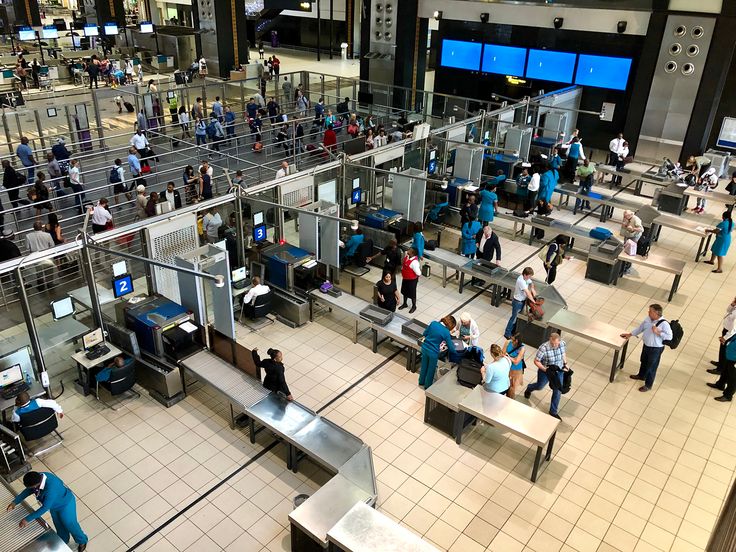


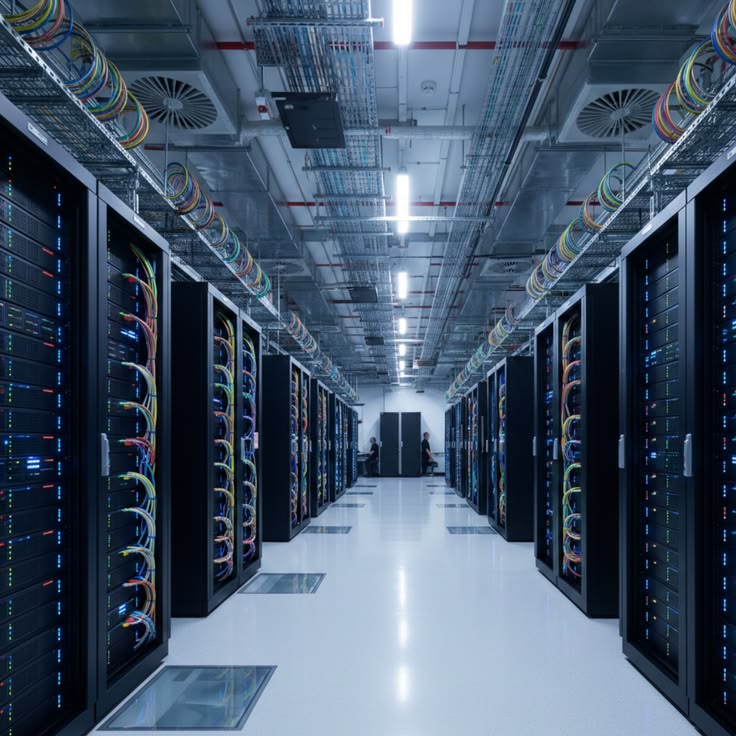
Unlike traditional IT systems, AI infrastructures host much higher power densities, critical hardware components, and strategic datasets. A physical breach or sabotage in these facilities could cause not only data loss but also national-scale economic stagnation, disruption of public order, and the breakdown of military decision-support mechanisms.
A vulnerability at the physical layer can render the most complex encryption methods and strongest firewalls ineffective; an intruder with direct access to hardware can physically shut down the system, steal storage units, or inject malware into “air-gapped” systems. For such security concerns, the most critical part is utilizing the right physical barriers in the right areas.
Security via High-Security Full-Height Turnstiles
Full-height turnstiles used in the perimeter security of data centers serve as the most visible and resilient element of a facility’s physical access control strategy. Unlike standard waist-high turnstiles, these systems create a difficult-to-bypass barrier thanks to their “full-height” structures, which physically prevent individuals from jumping over or crawling under them.
Engineering Standards and Durability
Manufactured from 304-grade or optionally 316-grade stainless steel (for high-corrosion areas like coastlines) to meet the high security requirements of data centers, the operating principle of these turnstiles is supported by a microprocessor-controlled system, providing independent passage control in both directions.
Considering the national security dimension of a data center, the ability of these turnstiles to operate seamlessly in extreme temperatures between -30°C and +80°C guarantees the protection of the facility under all climatic conditions. While keeping energy consumption at a low level of 60 Watts contributes to the overall energy efficiency of the facility, the “fail-safe” feature which automatically switches to free-passage mode during power outages—ensures life safety in emergencies.
In data centers housing Large Language Models ,”tailgating” where an unauthorized person slips in immediately behind an authorized staff member is one of the most common physical security breaches. Polimek full-height turnstiles, by virtue of their mechanical design (in 3-arm or 4-arm models), physically prevent more than one person from passing at a time by controlling the rotation.
Access Control System Software and Access
If physical turnstiles are the muscle, the Polimek Access Control System software is the brain of the operation. Within AI driven infrastructures, tracking and reporting who enters which room, with what authorization, must be handled with millisecond precision. Polimek Access Control System software creates a digital shield against internal threats and data theft by ensuring data is protected through encrypted technologies.
Polimek Access Control System work in full integration with biometric methods such as facial recognition, fingerprinting, and palm scanning. These systems provide a rapid traffic flow without compromising security, performing identification from a distance of 1.5 meters in less than a second.
Conclusion
As the dominance of artificial intelligence systems in the digital world increases, protecting the physical infrastructures that house these systems has become a strategic necessity rather than a mere preference. Regardless of how advanced software based cybersecurity measures may be, a breach at the physical layer can compromise the entire digital defense line in a single move.
The high-security full-height turnstiles and integrated Access Control System software offered by Polimek transform data centers from simple buildings into formidable technological fortresses. When the mechanical resistance provided by the turnstiles is combined with the real-time monitoring capabilities of the Access Control System software, critical violations such as “tailgating” are prevented, and operational continuity is guaranteed even under the most demanding environmental conditions.
Ultimately, in the age of artificial intelligence, protecting data begins with controlling access to the hardware where that data is stored. Polimek’s engineering standards provide data centers with more than just a physical barrier; they offer an integrated security ecosystem that safeguards national security, economic stability, and technological independence.