

The Definition and Modern Transformation of Border Security
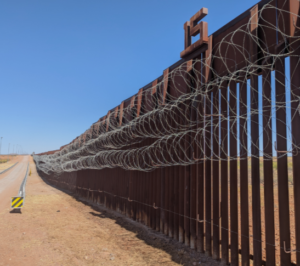
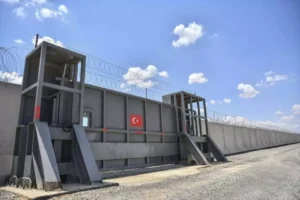
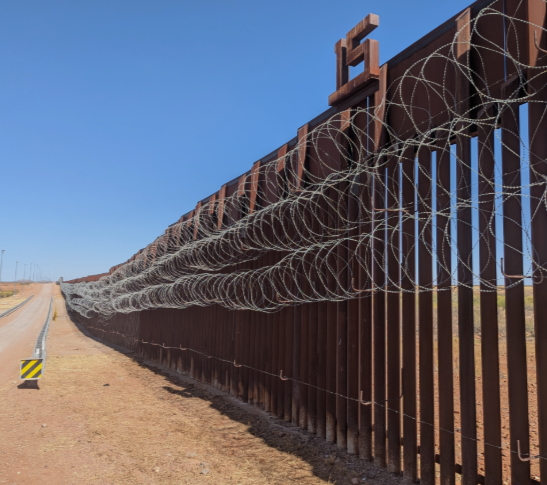
Border security is a comprehensive framework of strategic measures aimed at protecting national sovereignty, preventing illegal crossings, and maintaining public order. In the modern era, Border Security & Management has evolved beyond simple physical barriers. Today, it is an integrated discipline that encompasses the management of refugee movements, the regulation of humanitarian logistics, and the proactive prevention of transnational threats.
In 2026, effective border management requires a fusion of high-end hardware and intelligent software to balance humanitarian needs with uncompromising national safety.
The Importance of Controlled Access in Migration Flows
Global geopolitical shifts often result in mass refugee movements and irregular migration waves. Managing this mobility is vital for both national security and the healthy execution of humanitarian aid processes. A lack of control at border crossings can lead to congestion, security breaches, and unmonitored entries.
Modern security systems play a crucial role here by organizing human traffic, verifying identities, and isolating potential threats. Achieving controlled access at borders not only enhances the safety of personnel but also ensures that traveler flows proceed within legal frameworks.
X-Ray and Scanning Technologies in Border Management
Border gates are high-pressure environments where the margin for error must be zero. X-ray scanning systems are essential for analyzing baggage and cargo within seconds, uncovering hidden threats amidst high-volume traffic. In the context of border management, next-generation X-ray units act as the first line of defense by identifying explosives, weapons, or contraband through organic and inorganic matter discrimination.
Walk-Through Metal Detectors and Personnel Safety
The detection of metallic threats on individuals is an inseparable part of border security. Walk-through metal detectors (WTMD) have become a global standard at border crossing points due to their high-throughput capacity and precise detection capabilities. These systems create an unshakeable barrier against illegal materials while maintaining the speed of movement.
The Role of Turnstile Systems in Challenging Terrains
Border regions are often characterized by harsh climates and limited infrastructure. In these areas, tripod turnstiles and drop-arm turnstile systems stand out with their mechanical durability. At Polimek, our deployments in high-risk zones—such as our recent project in Syria—have proven that these systems provide physical prevention of unauthorized access while ensuring an orderly flow in humanitarian aid zones.
Under-Vehicle Inspection Systems (UVIS) and Perimeter Control
The inspection of vehicles entering through border gates is as critical as pedestrian traffic. Hidden explosives or smuggled materials under vehicles are among the most difficult threats to detect manually. Under-vehicle inspection systems (UVIS) provide high-resolution scans of a vehicle’s undercarriage, enabling full inspection without slowing down operational speed. This technology allows for a proactive defense against vehicle-borne threats.
Conclusion: Integrated and Multi-Layered Border Security
Modern security is not about a single device; it is about the integration of multiple layers. The synergy between X-ray scanners, metal detectors, under-vehicle inspection, and heavy-duty turnstiles creates an impenetrable security shield.
At Polimek Electronics, we leverage our local engineering power and international field experience to provide world-class border security solutions. A secure future is only possible through well-planned, technology-driven border management.